 UltraViolet Cyber Launches Equinox, a Proprietary AI Detection Engineering Platform
 UltraViolet Cyber Launches Solstice
Blog
How to Measure Detection Coverage Before You Trust It
See how UltraViolet Cyber's Equinox platform maps detection coverage to MITRE ATT&CK and ATLAS, closing gaps without adding SOC alert volume.
Read More
 UltraViolet Solstice
UltraViolet's proprietary AI platform powering all application penetration testing.
 UltraViolet Lens Platform
Unified security platform powering all UV services.
 UltraViolet Equinox
Automated detection engineering across your security platforms.
UltraViolet Cyber provides security services across the AI lifecycle, combining strategy, threat modeling, adversarial testing, monitoring, and training to support secure AI adoption.
A global audit firm needed proof its AI assistant could withstand attack. UltraViolet tested it and its ...
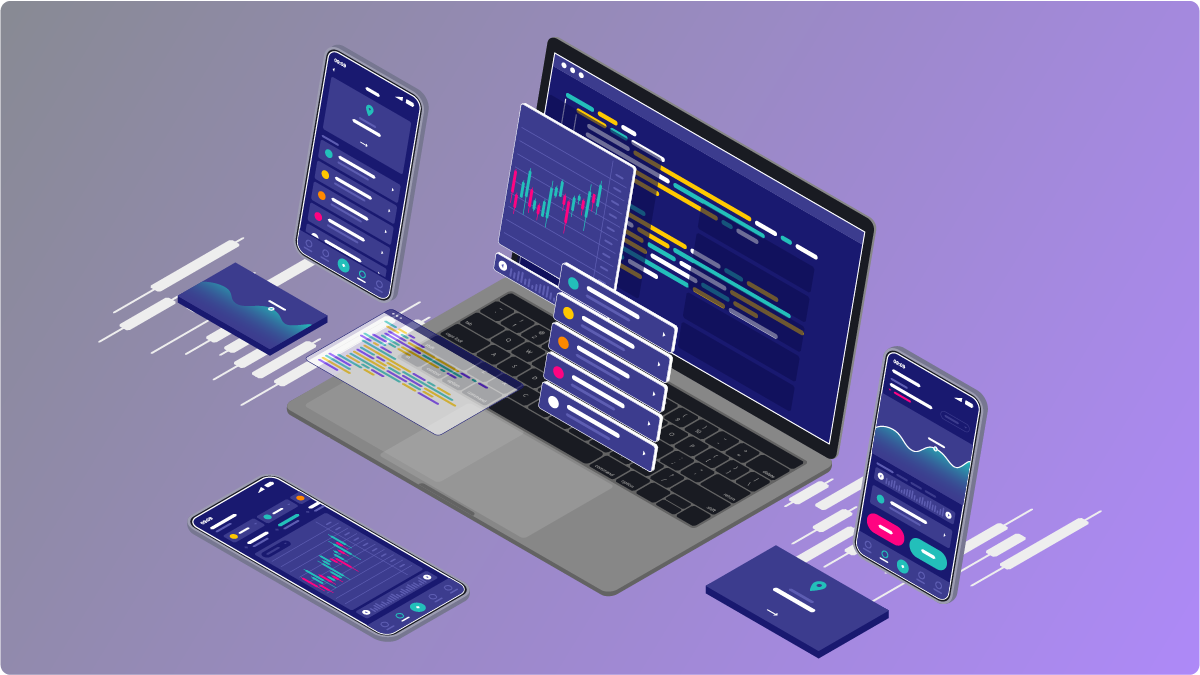
Secure your code, infrastructure, and deployment pipelines before attackers exploit them.
See how UltraViolet Cyber's Equinox platform maps detection coverage to MITRE ATT&CK and ATLAS, closing gaps without adding ...
Read the UltraViolet Cyber Q3 2026 Threat Review: agentic ransomware, state-linked campaigns, and deepfake fraud, with MITRE ...
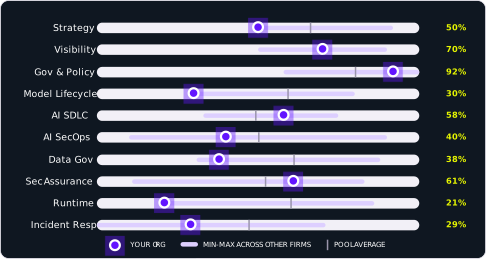
AI adoption moved faster than most governance models could track. This assessment benchmarks your AI security practices against peer data, activity by activity, so you know exactly where to invest next.
.svg)
.
Interviews with your security, AI, governance, and engineering leaders get scored against 64 observable activities, not a self-reported survey.
Your coverage score sits against a growing data pool of organizations across banking, healthcare, government, and software.
You leave with prioritized recommendations showing which activities close the largest gap first, not a flat checklist.
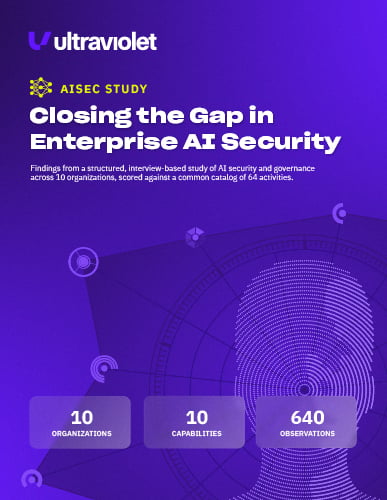
The AISec Study benchmarks how organizations are actually building AI security programs, scored across 64 activities and 10 capabilities. Read the findings before your assessment.



AI systems introduce unique risks—from hidden data flows to complex model behaviors—that traditional application threat modeling simply doesn’t capture. Our AI Threat Modeling service provides a structured, model‑aware evaluation of how your AI application could be misused, manipulated, or compromised, and what controls are needed to secure it.

We analyze architectures, integrations, model endpoints, training pipelines, and platform configurations to identify risks specific to your AI environment—not just your application surface.